From wild animals confined for exploitation, like millions of Danish mink killed due to coronavirus mutation fears, to their non-caged wild brethren in cities and towns reappearing as human activity decreased due to lockdown restrictions, 2020 offers a stark reminder of just how sensitive many wild animals are to anthropogenic interference. They are close enough to share diseases with us, yet unfamiliar enough that we often perceive their presence as an elusive shadow that only belies alien resilience.
It is useful here to avoid words which obscure individual lives, like ‘wildlife’ and ‘species’ because the terms in which we frame our coexistence with the other, whether animal or not, are constructed, in strong part through language, from folklore to law (Mussawir 2013 pp. 89-91, Bevilacqua 2013 pp. 75-77).
If constant efforts to ‘manage’ wild animals (Minteer and Collins 2005, pp. 1805-1808) and the current biodiversity crisis suggest attitudes and approaches to human impacts on wild animal interests are inadequate, who constructs and governs these relationships, which evidently fail to ensure wholesome coexistence? All social actors, including corporations, non-governmental organisations, and academia play important roles.
This post, however, focuses on two essential political protagonists, the first one because it is widely considered central by other social actors, and the second because it has the potential to greatly improve human attitudes and impacts on wild animal interests:
public governance institutions, such as national/international government, law, and conventions (henceforth governance), which, by enabling/disabling economic, socio-political, and geographic dynamics at a fundamental level, regulate our coexistence with animals; and
the public, through political, economic, and social participation. Let us specifically consider the role of communities and democratic engagement at the local level, which is less formal than higher institutions (Rahman et al. 2017, p. 824) while still being capable of playing a significant societal role in improving human impacts on the interests of wild animals.
Why is institutional governance limited in its potential to promote these interests?
Prevailing public discourses suggest we primarily need systemic, governance-ledchange to improve or minimise human impact on wild animals (Otomo 2013, p. 166). Why should this be challenged?
In practical terms, governance as an instrument for mitigating human impact and promoting wild animal interest is problematic because:
it can lack flexibility, detail, local expertise, and traction (Otomo 2013 p. 167, Rahman et al. 2017 p. 836). In other words, because governance frameworks must be applicable in diverse environments, their configuration must be formulaic. This is unsatisfactory because, with divergent interests in the balance, any loss of context sensitivity can generate detrimental or unsustainable lowest-common-denominator approaches.
although institutional interventions related to wild animals’ interests have their place where large-scale coordination is required, even in such cases, human impacts are not always adequately managed through governance efforts. For instance, under 1% of international waters are managed as protected areas (Raynal, Levine, and Comeros-Raynal 2016, p. 302).
In more conceptual terms:
governance sometimes protects wild animal interests, deliberately or incidentally, but it also acts to kill and exclude. Animals considered desirable (native/emblematic, endangered, exploited/domestic) are sometimes protected by the very processes through which other, typically wild communities are exterminated, often with infliction of agonising pain. Governance of wild animals is thus highly biopolitical—it distributes resources to let/make live and let/make die (Wadiwel 2013, p. 121). Management and protection can only impart imbalanced power relationships over wild animals, as subjects to be governed, without agency or right to non-intervention, unlike sovereign entities (Donaldson and Kymlicka 2011, p. 170). Because it is based on a social contract, governance can only deem intrinsically important the interests of subjects it considers legitimate political agents, which currently excludes wild animals.
because our institutions have been developing with(in) neoliberalism, and thus conceive economic value as the key societal driving force, they are shaped by the primacy of market dynamics (Eagleton-Pierce 2016, p. 28). The priority of governance is to protect private property and enforce power relations and resource distribution. This includes the commodification of animals (Otomo 2013, p. 166), which demonstrates an intractable conflict of interests: when governance manages human impacts on the lives of wild animals, it systematically prioritises economic interests, because that is its mandate. It is not an instrument in service of the equitable sharing of common goods. It is easier to imagine including wild animals becoming included as stakeholders in a commons-centric governance system than in our neoliberal institutions.
How can community and local democracy initiatives improve human impacts on wild animal interests?
Local/community actions vary depending on their context. The following is one example of a community in which various initiatives have been undertaken to improve or lessen impact on wild animals. It demonstrates the potential for less formal approaches to impact mitigation and wild animal interest promotion to be all at once effective on short timescales, adaptable, and likely to bear self-amplifying fruit over the long term (as this is only a short piece, key aspects of these benefits are summarised in Fig. 1).
Fig. 1 – Potential impacts of local initiatives on wild animal interests
As an example, in East Cheshire, England, two types of local projects are being used to support wild animals:
Community-level projects can reform our relationships to wild animals in profound ways, immediately and on the long term, precisely because they shape values at the community level, which people can experience directly. Children seeing driving speed seasonally restricted to protect wild animals’ life cycles, or a built environment and land management adapted to include wild animal-friendly features, may grow up to deem normal the inclusion of wild animals as members of the community on respectful terms that allow these animals to thrive alongside, or preserved from the reach of, humans. This may also prepare them to understand the plight of less familiar wild animals exposed to human impacts, from wild fish (Hassell, Barret, and Dempster 2020, pp. 487-490) to birds (see e.g. May et al. 2020), badgers or wolves.
Conclusion
For governance to improve human impacts on wild animals and embrace attitudes likely to promote wild animal interests beyond what it can achieve within the scope of efforts that are essentially ancillary to economic pursuits, its mandate would need to be fundamentally reimagined.
Governance can only consider a subject’s interests if it recognises them as a legitimate political agent, whereas community initiatives can directly and agilely improve human impacts on the interests of wild animals, as well as shift societal expectations and norms through diverse local practices.
Bevilacqua, C. B. (2013). ‘Chimpanzees in court’ in Otomo, Y. and Mussawir, E. (eds), Law and the Question of the Animal. Abingdon: Routledge, pp. 74-88.
Hassell, K., Barrett, L. T., and Dempster, T. (2020). ‘Impacts of Human-Induced Pollution on Wild Fish Welfare’ in Kristiansen T., Fernö A., Pavlidis M., van de Vis H. (eds) The Welfare of Fish. Animal Welfare, vol 20. Springer, Cham, pp.487-507. DOI: 10.1007/978-3-030-41675-1_20 (Accessed: 30 November 2020).
May, R., Nygård, T., Falkdalen, U., Åström, J., Hamre, Ø., and Stokke, B. (2020). ‘Paint it black: Efficacy of increased wind turbine rotor blade visibility to reduce avian fatalities’. Ecology and Evolution, 10(16), pp. 8927-8935.
Minteer, B. A. and Collins, J. P. (2005). ‘Ecological ethics: building a new tool kit for ecologists and biodiversity managers’. Conservation Biology, 19(6), pp. 1803-1812. DOI: 10.1111/j.1523-1739.2005.00281.x (Accessed: 30 November 2020).
Mussawir, E. (2013). ‘The jurisprudential meaning of the animal’ in Otomo, Y. and Mussawir, E. (eds), Law and the Question of the Animal. Abingdon: Routledge, pp. 89-101.
Otomo, Y. (2013). ‘Species, scarcity and the secular state’ in Otomo, Y. and Mussawir, E. (eds), Law and the Question of the Animal. Abingdon: Routledge, pp. 166-174.
Rahman, H. M. T., Saint Ville, A. S., Song, A. M., Po, J. Y. T., Berthet, E., Brammer, J. R., Brunet, N. D., Jayaprakash, L. G., Lowitt, K. N., Rastogi, A., Reed, G., and Hickey, G. M. (2017). ‘A framework for analyzing institutional gaps in natural resource governance’. International Journal of the Commons, 11(2), pp. 823-853. DOI: 10.18352/ijc.758 (Accessed: 30 November 2020).
Raynal, J., Levine, A., and Comeros-Raynal, M. (2016). ‘American Samoa’s Marine Protected Area system: institutions, governance, and scale’. Journal of International Wildlife Law & Policy, 19(4), pp. 301-316.
Stibbe, A. (2001). ‘Language, power and the social construction of animals’. Society & Animals, 9(2), pp. 145-161, DOI: 10.1163/156853001753639251 (Accessed: 30 November 2020).
Debates over a ‘new scramble’ for Africa—or even, some suggest, a new Cold War with Africa as its crux (Kohler 2019)—show that neoliberal international relations and development discourses still tend to frame Africa as a passive, faceless site of value extraction—half sandbox for testing geopolitical boundaries and governance strategies, half frontier for extractive activities. This reduction to a mere theatre signals frustration and confusion from Western official development assistance (henceforth ODA) donors, as decades of significant spending seem to result in chronic inefficiency and widespread failure relative to their stated goals.
How, then, has neoliberal development support (henceforth, NDS)— encompassing ODA, trade agreements and corporate investment—affected social development in African recipient states?
This question is best limited to the post-Cold War period, when the core focus of Western development support shifted from anti-Soviet geostrategic chess to championing socio-economic development based on and hoped to be capable of enhancing transnational neoliberal frameworks.
Of course, different African actors have been impacted in a myriad ways by NDS. In this post, I am going to outline what I’ve identified as some of the most structurally significant forms of social impact caused by NDS that are observable across the continent. Such phenomena illustrate broader patterns in the effects of NDS, so I introduce some general themes through them, inviting you to consider broader implications in your own ways.
My key contention is that while some tangible improvements can be observed, they tend to belie deep dysfunction, being embedded in a toxic neoliberal ‘package’—which has itself caused or exacerbated numerous issues.
Indeed, neoliberal governance’s essential compulsion to dominate hosts by hollowing out their existing dynamics leads it to destroy processes and agents seeking to exist in ways that do not serve market integration or profit generation, defeating the apparent strength of very visible, and equally superficial positive changes—especially if these improvements were required because of (neo)liberal intervention in the first place.
This observation limits the possibility of makingconcessions as to positive impacts if the latter are examined from any perspective other than short-term performance based on narrow indicators assuming the desirability of neoliberal governance.
In this post, I rely on elements of biopolitical and feminist perspectives on NDS frameworks because they’re particularly well suited to interrogate bio-social and developmental processes/constructs, as well as the shift towards ‘human’ development in neoliberal governance. These perspectives aptly acknowledge financialised liberalism’s need to take over ‘entire states and societies…, installing markets, commodifying anything it can…, monetizing the value of everything, … generating displacement, homelessness and deprivation’ (Mezzedra et al. 2014) in order to thrive—increasingly blurring public/private divides in the process.
PRIORITY OF DONORS’ AGENDAS
Technical assistance (henceforth TA) provided as part of NDS schemes has allowed some African states to further their own objectives in terms of managing populations’ lives and their environments. For instance, Tanzania requested and easily received generous funding to attend the 1992 Rio Earth Summit, allowing it to engage with the international community. However, from the mid-1990s, once the global sustainability agenda has gained public visibility, donors made related contributions contingent upon compliance with donors’ now-heightened ecological standards, eroding Tanzania’s and others’ agency in the matter. Civil servants describe (Koch and Weingart 2016, 292) the impact of shifts in donors’ agendas triggering and then condemning projects that could significant impact biopolitical issues, leaving these initiatives in limbo and pressuring Tanzanian officials into focusing on achieving visible results rather than on solid, long-term results that may remain invisible for a while, or difficult to measure through reductive box-ticking exercises.
Gibson (2009) highlights the fact that 80% of child malnourishment occurs where structural adjustment programmes (henceforth SAPs) and TA have led to a switch from subsistence to export agriculture. Likewise, the introduction of SAPs, by stripping African health institutions of funds precisely when the HIV virus reached critical momentum, prevented public healthcare providers’ ability to limit contagion (O’Manique 1996).
While NDS donors could choose to fund, at lower cost than pharmaceutical research in Western countries, drug research in Africa (Pollock 2014), allowing intellectual property to remain where affordable drugs are desperately needed, they stand to gain more profit and control by allowing this research and its value to remain with transnational companies headquartered in the West. Millions of HIV-positive Africans depend on the continued provision of antiretroviral drugs by donors to survive.
Illicit financial flows also undermine social improvements—in highly gendered ways—and could largely be halted should the will exist among NDS donors, especially regarding trade mispricing and tax evasion. Lost tax revenues preclude many African governments from financing ‘basic public services such as maternal care, education, sexual and reproductive health, social protection, etc. [It] is women who subsidise these tasks and go unpaid for them’ (FEMNET 2017). Corporate actors and NDS providers stand to lose significant income if these activities are stopped, which reveals a clear priority ranking in their NDS ethos.
These priorities are also obvious in relation to Western donor states, financial institutions and corporations’ security discourse. In practical terms, some positive effects can be observed, e.g. in NDS resources earmarked to prevent civil conflicts triggered by effects of exogenous economic shocks. In Zambia, Savun and Tirone (2012) describe the loss of 1,720 mining jobs cut following a collapse in copper prices, jeopardising a staggering 90% of 180,000 local residents supported by these jobs, and highlight the success of NDS in mitigating the impact of these redundancies. This, however, merely points to the rocky foundations (precarity and lack of diversity of the economy shaped by SAPs and NDS intervention) and the ‘band-aid’ approach provided to NDS recipients. It doesn’t take complicated thought experiments to realise that with well-designed, holistic, effective support strategies, this kind of exposure of people to grave socio-economic dangers could be minimised.
SOCIAL DEVELOPMENT OR MARKET LOGIC DEVELOPMENT?
Harrison identifies the pernicious nature of NDS providers such as the World Bank envisioning ‘the state as a market-complementing institution’, and even as a precursor to the market, a capacity-building structure that will ‘retreat gracefully’ (Harrison 2005) once private actors can take over, filling in the hollowed-out space inside the infrastructural exoskeleton to be left behind once the state has duly solidified the frameworks of market dynamics around the organs of healthcare, education, social support provision etc. This entails switching to paying-consumer models, and shifts the focus from human well-being to profit generation, which means the core activity of these sectors—supporting life—becomes a secondary aim.
NGOs and corporations overtly found their development discourses on the prioritisation of economic development. This is hopefully done under the assumption that individuals will eventually gain the material means to pursue lives not merely free from hunger, disease, abuse or conflict, but which can fulfil them in whatever ways may satisfy them.
Here’s an example of this focus on economic ramping-up.
The Nike Foundation’s ‘The Girl Effect’ organisation claims that teenage girls have the potential to end poverty for themselves and for the world. The organisation’s initial campaign depicted as a girl’s life as a ‘picture’ the viewer should ‘pretend [they] can fix. Now she has a chance. Let’s put her in a school uniform, see her get her a loan […] and use the profits […] to help’, become a business owner and thereby earn local men’s respect and a place in the political forum. This linear story of how liberal governance could save Africa if only actors paid heed to the World’s Bank Berg report and implemented neoliberal approaches well enough (Kalu 2018) continues, through ‘commerce’, ‘lower HIV’, ‘stability’ etc. up to the point where ‘the whole world is better off’. Allowing the girl to meet her needs and make her own choices is insufficient—it has to be justified by considering the potential impact of ‘leveraging’ her to create commerce and value for the rest of the world. And she is completely dependent on the neoliberal infrastructure of credit, competitive access to resources, social goods and markets to do so.
POSITIVISM AND SOME UNINTENDED EFFECTS OF NDS
Donors’ need to mitigate the image of conditionality and the avowed failures of SAPs led them, from the turn of the millennium, to frame NDS relationships as partnerships, yet ‘partnership does not recognise the universality of human needs, but the universality of the market norm’ (DeAngelis 2003).
TA and conditionality, by relying on key performance indicators, paradoxically tend to hide already little-visible struggles that may accompany issues being tackled through positivism-infused NDS initiatives. The World Bank-led public sector pay-scale reform, steeped in rational choice theory and New Public Management, has, in some countries, been wholly counterproductive: raising wages, instead of leading to integrous behaviour in workers, can for instance enhance clientelism (Harrison 2005), further jeopardising the welfare of those exposed to the social impact of the ‘informal’ economy.
TA can thus preclude the long-term structural improvements that could be on the cards if recipients had more agency and freedom to explore iteratively their development (Marriage 2006) and learning (Sobhan 1982). In other words, experts are sent in to manage not merely projects but societal change—and mainstream approaches to aid are prone to creating and entrenching dependency (Bräutigam and Knack 2004), authoritarianism, and unaccountability (Geddes 1994).
These consequences are not systematic, as Botswana’s flourishing illustrates (Carlsson et al. 1997), but ex-World Bank VP E. Jaycox describes TA shaped by donors’ own experts as possibly constituting a unrequited and ‘systematic destructive force […] undermining the development of capacity’ (Jaycox 1993). NDS is thus often incompatible with the established need to ‘create the policy space for nations to handle the problems that openness creates’ (Rodrik 2010), and the TA which NDS typically offers, brimming with positivist optimism and confidence in what Western donors consider universally applicable knowledge (Chandler 2018), can thus have disastrous effects on African recipient societies.
For example, by engineering labour-intensive urban foreign direct investment (FDI) implantation, non-labour-intensive rural FDI implantation, export-free zones, and infrastructural investment focused on cities—all attracting rural populations to concentrate in cities—NDS technocrats fail to consider key consequences. They ignore, for instance, the propensity of these structural changes in population distribution to aggravate social and sanitary issues such as the increased spread of infectious diseases like HIV/AIDS (Gibson 2009), causing or worsening social problems. I argue that this is due to a severe lack of holistic thinking and local knowledge—and to the pressure to deliver visible results.
MISUNDERSTOOD POWER DYNAMICS
NDS-led governance has markedly gendered effects. ‘Local gender dynamics’, Ailio (2011) notes, ‘are largely neglected in global policies on sub-Saharan HIV/AIDS because these dynamics do not fit the logic of liberal governance’; NDS governance experts thus ‘problematise traditional communities along the lines of liberal governmental logic’, rather than understanding the structure of local social dynamics.
In Mozambique, the shift imposed upon matrilineal rural communities from subsistence agriculture to market-oriented production, led to ‘the transfer of social power from women’, who previously held power through control over food provision, to men (Ailio 2011). This directly impacted women’s status in gender relations and HIV exposure.
Ailio persuasively shows how NDS policy discourse and schemes require women to adapt into self-interested, self-confident, rational liberal actors empowered by knowledge, becoming agents of liberal governmentality by repudiating ‘the “traditional” authorities that somehow restrain the workings’ of neoliberal governance (Ailio 2011).
In Zimbabwe, likewise, the removal of food subsidies forced some women to turn to sex work, heightening their and their children’s risk of HIV contraction (Birbeck and De Vogli 2005). What’s more, spending cuts implemented in line with SAPs increased gender inequality between boys and girls in educational opportunities, typically leading girls to miss out on education and be confined to unpaid household and care work. A basic tenet of the feminist ethic of care ‘posits that participation in a democracy implies that all citizens live in varying degrees of dependence on one another, and that all citizens are able to give or receive care as needed’ (Gibson 2009, 26), but this does not serve the NDS model and is therefore denied sway over biopolitical management.
In Zambia, the SAP involved the enactment of the Land Act 1995, which allows deceased parents’ relatives to ‘grab’ property from already vulnerable orphans (McPherson 2006)—another tour de force with serious socio-economic consequences that dismisses value other than in property and market terms.
Despite indications that concern from Western donors regarding imposition on communities of extractive industries like mining has led donors to introduce ‘policies endorsing the right of free, prior and informed consent of indigenous peoples’ (Munyasia 2017), this fails to take into account the complex power dynamics that invariably affect who speaks for a community, who weighs up conflicting interests. It simply transfers the burden of proving the appearance of legitimacy to the community itself, creating fertile ground for future dissent and social breakdown. The notion that poor communities could freely choose whether to consent to extractive activities presupposes the existence of an alternative to consenting to join the neoliberal value chain, which, following the ravages caused by the implementation of neoliberal governance, is simply fanciful.
Industrial extractive activities encouraged by NDS, particularly the shift from artisanal mining, where women can work more freely, to corporate mining, mostly closed to women, also leave women disadvantaged (this is obviously not to say that artisanal mining constitutes a wholesome occupation). To cope with the spending cuts that affect many aspects of their lives and their increased power inequality with men, many women are drawn into ‘precarious and unstable informal economic activities’, including the sex trade (Musindarweso 2017).
In many instances, therefore, all but the able-bodied male worker and those with the means to pay for ‘life support’ services are invisible to NDS governance. Expectably, then, African women act as ‘shock absorbers’ of ‘neoliberal restructuring’ (Brodie 1994)—which brings a sombre perspective to stories presented as tales of empowerment. For instance, women may take up jobs created by FDI initiatives championed by Western donors and trade agreements—but these are often low-paid, poor-quality jobs that add to their workload rather than emancipate them (FEMNET 2017).
SELF-EMPOWERMENT: RESISTANCE OR COMPLIANT RESILIENCE?
Logically following the exacerbation of power disequilibria, self-empowerment initiatives are widely reported, constituting responses to the dependency-and-extractive-trade model imposed in return for NDS—but they also embed neoliberal frameworks further into social processes and attitudes, by manufacturing attitudes which embrace entrepreneurialism, resilience and rational self-interest.
This queries the ways African ‘[postcolonial] peoples, in their subjection to governance, can and do resist, subvert, escape and defy the imposition of modes of governance that seek to remove them of those very capacities for resistance, subversion, flight and defiance’ (Mezzadra et al. 2014).
Resilience is central to these dynamics; through it, the rational liberal agent relinquishes resistance and embraces the hardships of the omnipresent-market paradigm: ‘the world is a dangerous place, and […] outstrips our capacities for security, leaving us […] to accept the reality that we […] must get used to a life of adapting to continuously changing topographies of danger’ (Reid 2017). There is no place for an autonomous, whole life outside market logics in the NDS-distributed ethos; the key is to reach a sustainable biopolitical framework, like the UN’s Millenium and Sustainable Development Goals, providing optimal conditions and human capital for markets to thrive, and for uniform liberal peace through trade and common values to reign.
In the African Women’s Development and Communication Network, the goal of ‘increased agenda-setting and -reporting of gender equality and women’s empowerment’ (FEMNET 2018) relies on co-operative, multi-scale creation and leveraging of knowledge to formulate community-centric solutions, which suggests effective pushback.
The notion of empowerment, however, implies assent to the neoliberal notion that the drive to use the property each [wo]man has in [her]self, to echo Locke, buys agents their spot in the amalgamated socio-eco-political marketplace, and therefore a voice, by testifying to their resilient determination to adapt, to pay for what they want through the effort of empowering themselves on these alienating terms, ultimately allowing neoliberal governance to address individuals’ and organisations like the aforementioned Network’s, demands in whichever ways might most directly boost the market.
Nevertheless, the resourcefulness imperative of the self-interested neoliberal agent may have the desirable effect of encouraging individuals to solve problems in their community—in the absence of public provision, since NDS shifts the burden onto private actors, and in the absence of funds, since NDS does not seek to create frameworks for abundance, but merely for ‘realistic’, quantifiable improvements to the satisfaction of basic needs—if only to pursue entrepreneurial dreams.
In Ghana, one start-up offers a mobile platform for instantly verifying whether a medicine batch is genuine, which could potentially save hundreds of thousands of lives a year across Africa. This has all the hallmarks of the neoliberal agent, but also appears motivated by social concern (Yeebo 2015)—and highlights the biopolitical choice made by NDS providers not to pursue such pragmatic, relatively simple solutions to notoriously deadly issues, simply because saving lives is not neoliberalism’s priority. The choice is thus made over who may die and who is valuable enough to be saved.
The competitive environment of market-driven infrastructure means that individuals’, communities’, and small businesses’ efforts to leverage neoliberalism to drive social change may be grossly constrained as Africa becomes more integrated into transnational markets and more densely populated. I sometimes picture this as Goliath conning David into thinking he too can be a giant someday, as long as the latter thinks and acts like the former, and becomes a little fibre in Goliath’s bicep, as though power imbalances inherent between NDS donors and recipient populations didn’t clearly preclude that from happening. If strengthening the iniquitous hold of neoliberalism in one’s society is at all desirable, that is.
MAKING LIVE AND DIE: DEAD ZONES OF THE TRANSNATIONAL VALUE CHAIN
There is thus evidence of strong causal links between resources spent on NDS and stagnation or deterioration of various social conditions.
Sanyal (2007) suggests this shows neoliberalism’s ability to carry out primitive accumulation while routinely excluding some of the population. From this perspective, NDS seeks efficiency, and therefore creates dead zones around inefficient agents and processes, harnessing social dynamics to pull ‘useful’ resources and agents into the transnational value chain, while others are free to try and survive on their own terms, invisible in NDS narratives—especially with some donors now explicitly embracing self-interested aid-cum-trade policies (May 2018). Further, Western support to and training of police and armed forces served to constrain populations’ participation in socio-political decision-making; such NDS has repeatedly been linked to human right abuses, for instance in Somalia (Curtis, Dodwell and Dearden 2017).
Actors on the periphery of the African development/extraction matrix, sometimes because of biopolitical struggles created or aggravated by NDS, lives that refuse to adapt to neoliberalism’s practices and interests, are useless to the liberal governance project, which, by blaming their struggle on their lack of adaptation, leaves themfree to die, out of the provision scope of NDS, with nothing but recommendations to adapt, as resources previously even nominally available are sucked into the value-chain matrix. Nally’s report of a general ‘drive’, in NDS governance, ‘to eliminate non-market food access’ (2011) illustrates this.
It would be interesting, in this regard, to see what happens when Reid’s notion of imagination in policymaking is compounded with Duffield’s theory of underdevelopment (2010).
What NDS offers African actors if they do join the neoliberal fray and accept to show resilience and pay to meet their welfare needs is a chance to survive in a competitive, market-driven environment, focusing on approved, benchmarked behaviours. In the austerity of SAPs, to call on Agamben’s lexicon, bios gives way to the mere survival of the physical form as zoe—the ‘bare life’ of (s)he who is excluded from enjoyment of the richness, autonomy and social belonging of bios (1998).
Tettey (2008), for instance, describes the cybersex trade as ‘a mechanism for ingenuity among Ghanaian youth who take advantage of innovations’ in a NDS-led paradigm that ‘perpetuates their economic peripheralization and/or sexual exploitation’—‘ingenuity’ and ‘negotiation’ for survival are the key forms of agency available here.
CONCLUSION
In this post, I’ve sought to demonstrate that NDS has been re-engineering African socio-political relations and individual quality of life prospects based on market dynamics, to the detriment of those who can least afford these changes. Biopolitical pressure leads to the formation of hybrid modes of functioning that alienate NDS recipients from their community processes, leaving them with nothing but the promise of externally-‘taught’ and -sponsored norms that may provide some relief, but also bring serious hidden externalities and impose allegiance to a ‘resilient’, adaptable, self-interested-and-rational-actor ethos. This creates a draining cycle of precarious, contingent improvement, and new problems, such as dependency upon damaging solutions—or new avatars of root causes of identified problems.
Agamben, G (1998) Homo Sacer: Sovereign Power and Bare Life (Stanford: Stanford University Press)
Ailio, J (2011) ‘Governing Sub-Saharan HIV/AIDS through Gender’ Alternatives: Global, Local, Political 36(4) (November) 345-358
Birbeck, G and De Vogli, R (2005) ‘Potential Impact of Adjustment Policies on Vulnerability of Women and Children to HIV/AIDS in Sub-Saharan Africa’ Journal of Health, Population and Nutrition 23(2) (Centre for Health and Population Research) 105-120
Bräutigam, D and Knack, S (2004) ‘Foreign Aid, Institutions, and Governance in Sub‐Saharan Africa’ Economic Development and Cultural Change 52(2), 255-285
Brodie, J (1994) ‘Shifting the boundaries: Gender and the politics of restructuring’ in Bakker, I (ed.) The strategic silence: Gender and economic policy (London: Zed Books) 46-60
Carlsson, J, Somolekae, G and van de Walle, N (1997) Foreign Aid in Africa: Learning from Country Experiences (Uppsala: Nordiska Afrikainstitute)
Chandler, D (2018) ‘Intervention and Statebuilding Beyond the Human: From the “Black Box” to the “Great Outdoors”’ Journal of Intervention and Statebuilding 12(1) 80-97
Curtis, M, Dodwell, A and Dearden, N (2017) Conflict Security and Stability Fund: Diverting aid and undermining human rights (London: Global Justice Now)
DeAngelis, M (2003) ‘Neoliberal Governance, Reproduction and Accumulation’ The Commoner (Spring – Summer) 1-28
Duffield, M (2010) ‘The Liberal Way of Development and the Development–Security Impasse: Exploring the Global Life-Chance Divide’ Security Dialogue 41(1), 53-76
Geddes, B (1994) Politician’s Dilemma: Building State Capacity in Latin America (Berkeley: University of California Press)
Gibson, C C (2009) Neoliberalism and dependence: A case study of the orphan care crisis in sub-Saharan Africa (University of South Florida graduate theses and dissertations)
Harrison, G (2005) ‘The World Bank, Governance and Theories of Political Action in Africa’ British Journal of Politics and International Relations 7(2), 240-260
Haug, K and Reid, J (2017) ‘Interview: Julian Reid on Foucault – Applying his Work on War, Resilience, Imagination, and Political Subjectivity’ Foucault Studies (22) (January) 254-262
Jaycox, E V K (1993) ‘Capacity Building: The Missing Link in African Development’ Address delivered at the African-American Institute Conference on African Capacity-Building: Effective and Enduring Partnerships (Reston, VA)
Kalu, K (2018) Foreign Aid and the Future of Africa (African Histories and Modernities)
Koch, S and Weingart, P (2016) The Delusion of Knowledge Transfer: The Impact of Foreign Aid Experts on Policy-making in South Africa and Tanzania (Cape Town: African Minds)
Kohler, K (2019) ‘The Return of the Ugly American: How Trumpism is Pushing Zambia towards China in the “New Cold War”’ Perspectives on Global Development and Technology 18,186-204
Marriage, Z (2006) Challenging aid in Africa. Principles, Implementation, and Impact (Basingstoke: Palgrave MacMillan)
McPherson, D (2006) ‘Property Grabbing and Africa’s Orphaned Generation: A Legal Analysis of the Implications of the HIV/AIDS Pandemic for Inheritance by Orphaned Children in Uganda, Kenya, Zambia and Malawi’ HIV/AIDS in Africa Project Paper (Toronto: University of Toronto)
Mensah, J (2008) ‘Gender, States and Markets in Africa’ in Mensah, J (ed) Neoliberalism and Globalization in Africa (Basingstoke: Palgrave Macmillan)
Mezzadra, S et al. (2014) The Biopolitics of Development: Reading Michel Foucault in the Postcolonial Present (Delhi: Springer India)
O’Manique, C (1996) ‘Liberalizing AIDS in Africa: The World Bank’s Role’ Southern Africa Report 11(4) (July) 21-24
Munyasia, A T (2017) ‘Gender and Extractivism’(Oxfam Pan-African Programme)
Pollock, A (2014) ‘Places of pharmaceutical knowledge-making: Global health, postcolonial science, and hope in South African drug discovery’ Social Studies of Science 44(6) (December) 848-873
Rodrik, D (2010) ‘How to Save Globalization from its Cheerleaders’, in Frieden, Lake, J D and Broz, J (eds.), International Political Economy: Perspectives on Global Power and Wealth (New York: W W Norton) 546-563
Savun, B and Tirone, D C (2012) ‘Exogenous Shocks, Foreign Aid, and Civil War’ International Organization 66(3) (Summer) (Cambridge University Press) 363-393
Sobhan, R (1982) Aid Dependence and Donor Policy: The Case of Tanzania – with Lessons from Bangladesh’s Experience (University Press Limited)
Tettey, W J (2008) ‘Globalization, Cybersexuality among Ghanaian Youth, and Moral Panic’ in Mensah, J (ed) Neoliberalism and Globalization in Africa (Basingstoke: Palgrave Macmillan)
Like human welfare, animal welfare is complex. As a subject of interest, it was a ‘social construct’ before it also branched out into science (7). Nowadays, of course, animal welfare science is a key aspect of both debates on the treatment of animals and practical management of animals in industries that exploit them. Animal welfare as it is now construed is therefore a multi-faceted subject. A conciliatory description might state that it ‘includes health, emotional state, and comfort while moving and resting, and is affected by possibilities to show behavior and relationships’ with peers and humans (3). This can be measured using objectively quantifiable indicators. But those are influenced by the values of the humans designing them (6), who often have different views on what welfare means – see Fig. 1 (Fraser 2008) below.
A multi-faceted concept. Fig. 1 (Fraser, 2008)
I often wonder whether it is possible for animals to be exploited, i.e. live lives on terms dictated by what is profitable, and also enjoy a life without suffering due to their exploitation, a life in which the norm is the experience of positive states.
In this post, I’d like to invite you to reflect with me on what welfare means. We’re going to do this by getting to know farmed goats, and what welfare means for them.
Why goats?, you ask.
The welfare of farmed goats deserves attention because:
it’s often forgotten. For instance, the influential EU Welfare Quality® project long excluded goats (4, 8). On the demand side, consumers of goat-derived products (1) show a marked focus on the traditional value of eating goats, and on purchase price, rather than demonstrating significant concern for the animals’ welfare. This can to some extent be contrasted with the situation in pig, chicken and cattle consumption, where consumer concern with basic welfare provisions have led to some efforts on the part of producers. Goats are mostly farmed extensively (1), especially in the developing world, where it is their unparalleled hardiness that make them more desirable to exploit than more fragile species. When most people think of extensive farming, they picture low population densities and a life led rather like in nature, tranquil and wholesome. Most people might not realise that extensively-farmed goats can suffer from access to suitable and sufficient food, water, shelter and care, parasites, predation, and of course premature death and exploitation if these two issues are considered welfare issues – premature death primarily because it denies opportunities to experience positive states later in life and exploitation because it restricts some natural behaviour. What’s more, extensive farming systems are often under less scrutiny than intensive ones (1, 2);
some goats are also kept inthe hell of intensive farming, especially in industrialised countries like the UK, which is even less conducive to good welfare. Intensive goat farming is increasingly considered an attractive option in developing countries like India and Pakistan as well. There’s therefore some reason to worry that increasing numbers of goats will, in the near future, be subjected to intensive farming, especially with significant human population rising in developing countries, since goat products form a key part of local diets in many areas, including arid and semi-arid areas, which may become more widespread as climate change and other ecological issues progress, making goats even more of a popular species to exploit.
What is it like to be a goat?
goats are sociable (14), with a sophisticated social order – they even mediate conflicts between one another (5)
for the first weeks, the doe-kid bond is crucial. For instance, maternal grooming and other social interaction help build kids’ microbiome, which influences chemical signals affecting neural activity and behaviour (5)
they’re capable of complex social learning, such as precise eating sequences of specific plant for nutritional and even medicinal (e.g. anti-parasite) purposes, through mothers’ teachings and mutual observation – these traditions can even be considered to form a culture (5)
goats understand human cues (19). They learn from and communicate with us (16). They recognise individual humans, prefer happy faces and seem to process emotional information like us – the right brain hemisphere mainly processing negative emotions and the left, positive ones (18)
being adaptable (14) and intelligent (5), goats love challenges, even without rewards attached, so cognitive/sensory enrichment benefits their welfare (10).
Goats are physically tough, but they still need a good environmental fit to thrive. Photo by Maxime Agnelli on Unsplash
So, what might farmed goats need to enjoy good welfare?
Let’s start with a mention of obviously negative aspects of farming on goat welfare. Then we’ll consider what to take into account to assess welfare based on goats’ perception and behavioural and physiological needs, and how positive aspects of welfare might be taken into account.
Pain and injury
Like other farmed species, goats are often subjected to painful invasive procedures such as castration, marking for identification and dehorning. The impact of these procedures isn’t limited to pain at the time of the procedure: some can lead to chronic pain and, by increasing the animal’s stress level long after the procedure itself, depress their immune system, making them more vulnerable to illness.
Housing design, especially but not exclusively in confined systems, can cause pain and injury, for instance lameness (i.e. mobility problems) due to unsuitable or poorly maintained flooring.
These are obvious welfare issues caused by inadequate environment and physical management. Indeed, because these are fairly easy points to assess, most farmed-animal welfare indicators are ‘resource-based’, e.g. handling/environmental factors of illness, injury, abnormal behaviour (4).
I’m now going to focus on less obvious challenges involved when determining whether farmed goats are experiencing, or can experience, good welfare conditions. I’m putting a bit of emphasis on positive welfare, which considers animals’ ability to enjoy the experience of living, because like many, I think welfare is more than merely the absence of suffering. While positive welfare is thus an important part of the bigger picture in assessing welfare, it is harder to assess than obvious signs of illness or injury.
Including positive welfare criteria into assessments: too many unknowns
Farmed animal welfare policy is increasingly focusing on ensuring animals enjoy a ‘life worth living’, or ideally a ‘good life’. To this end, the recent EU AWIN Project (for ‘Animal Welfare Indicators’) sought to include more animal-based welfare indicators into on-farm monitoring, which could be a good way to focus more on ensuring the animals assessed do experience some positive states, as much as their dystopian environment and forced handling can allow. But such indicators must be reliable, valid, and easy to use during short monitoring sessions (4). When it comes to goats, these are hard requirements to meet, since:
extensive goat farms rarely feature health monitoring programmes and intensive systems simply don’t allow goats to fully express natural behaviour, which by definition compromises their positive welfare. Besides, behavioural indicators are difficult to observe in crowded conditions; and
we know little about what positive welfare means for goats. For instance, we don’t really understand object manipulation, vocalizations, behaviour indicating frustration, facial/body expressions (17) and so on. In order to carry out analyses based on qualitative behaviour assessment, which effectively considers what animals’ attitude suggest about their psychological state (8), we would need to be able to interpret their behaviour much more finely.
Kids. Photo by Micaela Parente on Unsplash
Below are some examples of both current knowledge limitations and poor application of what we do know about goat welfare in day-to-day farming practices. Here’s a question to bear in mind as you read this section: can we hope to reconcile the requirements of profitable exploitation with goats’ needs at all?
Inadequate capacity to meet nutrition-related needs
Because goats rely on nutritional balance to avoid pathogens and to balance their microbiome, competing over limited/inadequate food sources can cause illness and distress (5).
Goats have evolved to eat high up off the ground, so they’re sensitive to parasites from food given at ground level (8). The argument whereby confinement offers good protection against parasites (6) is thus questionable, especially since stressful and often unhygienic conditions in which animals live in intensive systems tend to promote the growth and spreads of parasites and other pathogens. In this sense, anti-parasite treatments barely compensate the damage done, rather than provide an advantage compared to life in goats’ natural environments.
Along with maternal/social influence, goats have personal feeding preferences, partly based on morphology/physiology, but this is environment-specific and thus difficult to study.
In intensive conditions, goats are often only fed two concentrated fodder meals per day, whereas their metabolism thrives on lengthy, frequent eating sessions. Low-ranking goats may suffer due to competition and we know concentrated feed leads to abnormal behaviour in kids (8). As in other farmed species, feeding concentrated formulas is often accompanied by an inadequate supply of fibre in the diet, which, based on what we know about other species, may also be a factor contributing to health and behaviour issues (20).
Goats in an Indonesian farm. Inadequate flooring is a major cause of poor welfare in farmed animals. Photo by Hasan Ma’ruf on Pexels
Inherent conflict between confinement and behavioural needs
Goats’ social inclination towards humans (5) and positive judgment bias (17) are frustrated in automated, crowded intensive farms, where they get little positive human interaction compared to traditional smallholdings. Even heart development is affected by lack of positive human interaction (14).
Their intra-species social needs – communication, spatial organisation, behaviour synchronisation (17), mating behaviours, mother/baby bond, social learning and the like – are also frustrated in confined environments (8). These environments are designed to maximise profit rather than to provide a suitable layout for goats based on their needs and preferences. Precisely because they are designed to minimise costs, these facilities are also crowded to high densities.
Frequent isolation (14) and separation/re-grouping cause stress and conflicts (3, 9).
Early weaning, which is the norm on dairy farms (14), compromises kids’ lifelong prospects by causing failure to learn eating behaviours, frail physical development, and abnormal behaviour.
Preference testing helps assess positive welfare, but findings are not necessarily applied. Goats prefer different flooring materials for different activities, and, ideally, avoid eliminating waste on surfaces that expose them to pathogenic residue (11). But due to cost/practicality priorities, many farms don’t provide suitable, and suitably diverse, floorings, restricting goats’ well-being and protection from pathogens.
Horns are crucial in social behaviour (12, 13), so dehorning deprives goats of the opportunity to express natural behaviours. Unfortunately, dehorning is often the first or only method chosen to prevent injuries due to the stress and high population density demanded by intensive farming systems, as it is easier than investing in a less dreadful environment for the animals to live in.
Prospects
Positive welfare could technically be enhanced by designing exploitation conditions based on:
preference testing;
animal-based welfare indicators such as vigour and time spent on/postures adopted in certain behaviours (17);
implications of goat/human interaction and communication (16), like using cues to understand needs;
pro-social behaviour and emotional contagion (15), i.e. mood change based on the state one animal observes in another; and
cognitive/physical enrichment (14, 16).
However, welfare improvement options are often not implemented by animal exploitation systems. Equally importantly, they only answer some of the most basic ethical problems caused by goat farming (16). These avenues for amelioration still permit, perhaps even encourage, exploitation, by keeping the animals just healthy enough for their bodies, milk or offspring to be saleable. When included in farm assurance scheme commitments, knowledge about animal welfare lulls consumers into thinking that animals enjoy a relatively painless, perhaps even good life. A life better than no life at all – which in many cases is at best debatable, since animal welfare is always subordinate to the demands of profitability, and typically not aligned with the latter.
Goats are inquisitive and highly perceptive animals. Photo by fotografierende from Pexels
References
1. Sullivan, R., Amos, N. and van de Weerd, H., 2017. Corporate reporting on farm animal welfare. An evaluation of global food companies’ discourse and disclosures on farm animal welfare. Animals, 7(12), 17. 2. Rodríguez-Serrano, T., Panea, B. and Alcalde, M., 2016. A European vision for the small ruminant sector. Promotion of meat consumption campaigns. Small Ruminant Research, 142, 3-5. 3. Tarazona, A., Ceballos, M. and Broom, D., 2019. Human relationships with domestic and other animals. One health, one welfare, one biology. Animals, 10(1), 43. 4. Caroprese, M., Napolitano, F., Mattiello, S., Fthenakis, G., Ribó, O. and Sevi, A., 2016. On-farm welfare monitoring of small ruminants. Small Ruminant Research, 135, 20-25. 5. Landau, S. and Provenza, F., 2020. Of browse, goats, and men. Contribution to the debate on animal traditions and cultures. Applied Animal Behaviour Science, 232, 105127. 6. Fraser, D., 2008. Understanding animal welfare. Acta Veterinaria Scandinavica, 50(S1). 7. Fraser, D., 2003. Assessing animal welfare at the farm and group level: the interplay of science and values. Animal Welfare, 12(4), 433-443. 8. Battini, M., Barbieri, S., Vieira, A., Can, E., Stilwell, G. and Mattiello, S., 2018. The use of qualitative behaviour assessment for the on-farm welfare assessment of dairy goats. Animals, 8(7), 123. 9. Patt, A., Gygax, L., Wechsler, B., Hillmann, E., Palme, R. and Keil, N., 2013. Behavioural and physiological reactions of goats confronted with an unfamiliar group either when alone or with two peers. Applied Animal Behaviour Science, 146(1-4), 56-65. 10. Meyer, S., Puppe, B. and Langbein, J., 2010. Cognitive enrichment in zoo and farm animals – implications for animal behaviour and welfare. Berliner und Münchener tierärztliche Wochenschrift, (123), 4-54. 11. Sutherland, M., Lowe, G., Watson, T., Ross, C., Rapp, D. and Zobel, G., 2017. Dairy goats prefer to use different flooring types to perform different behaviours. Applied Animal Behaviour Science, 197, 24-31. 12. Shackleton, D. and Shank, C., 1984. A review of the social behavior of feral and wild sheep and goats. Journal of Animal Science, 58(2), 500-509. 13. Barroso, F., Alados, C. and Boza, J., 2000. Social hierarchy in the domestic goat: effect on food habits and production. Applied Animal Behaviour Science, 69(1), 35-53. 14. Miranda-de la Lama, G. and Mattiello, S., 2010. The importance of social behaviour for goat welfare in livestock farming. Small Ruminant Research, 90(1-3), 1-10. 15. Düpjan, S., Krause, A., Moscovice, L. and Nawroth, C., 2020. Emotional contagion and its implications for animal welfare. CAB Reviews: Perspectives in Agriculture, Veterinary Science, Nutrition and Natural Resources, 15(046). 16. Nawroth, C., Langbein, J., Coulon, M., Gabor, V., Oesterwind, S., Benz-Schwarzburg, J. and von Borell, E., 2019. Farm animal cognition – Linking behavior, welfare and ethics. Frontiers in Veterinary Science, 6. 17. Mattiello, S., Battini, M., De Rosa, G., Napolitano, F. and Dwyer, C., 2019. How can we assess positive welfare in ruminants?. Animals, 9(10), 758. 18. Nawroth, C., Albuquerque, N., Savalli, C., Single, M. and McElligott, A., 2018. Goats prefer positive human emotional facial expressions. Royal Society Open Science, 5(8), 180491. 19. Nawroth, C. and McElligott, A., 2017. Human head orientation and eye visibility as indicators of attention for goats (Capra hircus). PeerJ, 5, e3073. 20. Cronin, G.M., Rault, J.–L. and Glatz, P.C. 2014. Lessons learned from past experience with intensive livestock management systems. Rev. sci. tech. Off. int. Epiz., 33 (1), 139-151.
Some thoughts on how an effective altruistic organisation might think about prioritising different types of S-risks. Quick primer here.
Agential s-risks are in themselves a form of incidental s-risks—not wholly, as agential s-risks involve some practically random/uncontrollable and individual aspects, but this essential subordination is substantial enough that these Russian doll dynamics should inform strategic priorities. Here are some examples of this claim.
By perpetuating and promoting dysfunctional societal dynamics characterised by fear, scarcity, inequality and misery, a dominant/institutionalised ideology simply aiming to promote economic growth based on a capitalist model may be the perfect breeding ground for directly human-agential s-risks (as opposed to indirect agential risks associated with technology, which I will briefly touch on later). This type of incidental context can increase agential s-risks:
by encouraging sadism (e.g. children with traumatic childhoods, without protection or remedies from appropriate social structures, are more likely to abuse animals in the commonly accepted sense of the term);
by promoting sociopathic behaviour (e.g., poverty is widely considered a determinant in criminal behaviour in later life). Early adverse experiences impair the development of parts of the brain associated with decision-making and emotion, for instance. It seems likely that these experiences are most likely to occur in societies where a focus on economic value-creation normalises the deprivation of some segments of the population. It should be noted that relative disadvantage, and a competitive rather that cooperative societal framework, are far more relevant in assessing risk creation than low but fairly even levels of economic abundance and access to opportunities, both for parents and for children;
by promoting identity politics and a perceived imperative to compete, individually but also collectively, for status, resources, and security. This can lead to tribalism and retributivism, which can both be partly motivated by efforts to increase community cohesion through the deliberate infliction of violence onto others.
Relatedly, societies structured around the extraction of resources place a strong emphasis on militarism, which creates a natural path to positions of significant agency for malevolent actors, since psycho-pathological traits such as lack of empathy, boldness, and violence are rewarded with increased access to power, and therefore opportunities to cause suffering, e.g. among conquered populations during imperialist campaigns or occupation/colonisation, but also in military rising stars’ future careers as statesmen/dictators. Militarism in support of constant expansion and value- and market-creation is essential to our current societal paradigm and therefore represents an incidental s-risk—both because of the suffering involved in armed struggles and because of the opportunity it represents for malevolent agents to increase their agency in material and temporal scope. This is how dictator Francisco Franco came to power, for instance.
To provide a sense of the intricate and weighty impact of incidental determinants on agential s-risks, it is also useful to consider the impact of political inertia towards, for instance, mass exposure of children to manganese and lead despite these heavy metals’ apparent role in criminal and violent behaviour. Such practices, sometimes as passive in nature as failing to prioritise issues such as human welfare over perceived economic constraints, are endemic s-risk factors, incidental in that they occur at the societal level and not for malevolent reasons, which may bring about the emergence of wilfully nefarious individuals who could become perpetrators/instigators/designers of mass suffering.
Continuing with the present theme of considering incidental aspects of agential s-risks from a critical political economy/sociology perspective, school shooters, a common type of malevolent agent in some capitalist societies, subject numerous communities, across several generations, to significant suffering relative to the ease of perpetrating their acts of violence and Western societies’ vulnerability to such attacks. Might society-wide emphasis on individualism and competition, the toleration with which marketing fuels frustrations and insecurities, ready access to powerful weapons, and knowledge of the potential to cause anguish, be equally decisive in the occurrence of school shootings as the perpetrator’s psychological predisposition to act malevolently due to their genetic makeup, for instance?
Of course, these small-scale instances of deliberately inflected torment are not the stuff of s-risks—the point of these examples is simply to emphasise the role of societal/incidental factors in the intentional exaction of suffering, whatever the scale of the affliction caused.
Non-human agential s-risks could also arise, at least in part, due to incidental hazards. If artificial sentient agents come to be created due to lack of precautionary regulations as artificial intelligence develops due to the primacy of market forces over other societal priorities, and if these agents are capable of wilfully imparting suffering along the lines of human cruelty, this constitutes both an agential s-risk—and thus one potentially fraught with impulsiveness and irrationality, or with complete lack of empathy or concern for others’ interests in avoiding suffering—and an incidental s-risk with the potential to generate suffering on a scale and timeframe matching the reach of the possibly highly intelligent, and therefore resourceful and persistent, agent causing it.
As exemplified above, incidental s-risks encompass their own hazards, but also key aspects of agential s-risks. Therefore, unless agential s-risks can be considered substantial causes of incidental s-risks, or are likely to exceed in scope the impact of incidental s-risks, it seems likely that incidental s-risks are a greater cause for concern than agential risks from the perspective of individual instigators.
However, for incidental s-risks to be the most effective area of focus for a research- or policy-oriented organisation, they have to be the most tractable. While agential s-risks can arguably only be tackled through the implementation of safeguards against individuals at risk of deliberately seeking to exact torment on enormous numbers of subjects, it is also the case that incidental s-risks present higher tractability since they can be addressed through public policy affecting social causes of agential infliction of suffering.
For instance, on the one hand, ending factory farming (incidental s-risk) and reforming criminal justice (both a potential incidental s-risk if this blueprint persists as humans multiply, colonise space, and so on, and a determinant of agential s-risk) can both be done through policy. On the other hand, monitoring every agent throughout their lives—or even screening their genetic material before birth, perhaps, to control individuals predisposed to psychopathy—ensure societal triggers, and aggravating hazards remain out of their reach, or that fail-safes are in place to dampen deliberate efforts to mete out suffering, is all at once less practical, less self-sustaining, less reliable and possibly more ethically problematic (e.g. by requiring invasive scrutiny over agents and/or limitations to important rights and freedoms, and by diverting resources that could otherwise be used towards promoting social goods). As applying concern with suffering to practical situations does not happen in a vacuum, it is noteworthy that focusing on incidental s-risks, or perhaps, more aptly, incidental aspects of s-risks, may also improve overall positive welfare by the same token.
To briefly explore natural s-risks, evidence—notably the state of academic progress—suggests that at least some natural s-risks require more scientific research before they can actually benefit from the scrutiny of researchers providing strategic ideas.
Natural s-risks are undoubtedly neglected, and among natural s-risks, the effectiveness of tackling wild animal suffering is now becoming more promising thanks to advances in welfare biology and related disciplines, and possibly, a gradual expansion of humanity’s moral circle. Given the scale of the anguish involved in wild animal lives, and humanity’s nascent purchase on practical, viable solutions to causes of wild animal suffering, it seems reasonable that researchers should devote some resources to considering these problems and strategies.
However, for a researcher/organisation external to directly relevant scientific fields, it would likely be comparatively ineffective to expend a high proportion of resources on this very important issue. This is because more technical ‘disentanglement’ still needs to be provided by animal welfare specialists and other natural science researchers to inform organisations seeking to design advanced approaches to reducing suffering among wild animals based on solid knowledge on sentience, ecosystems, animal physiology and adaptation, and the like. It appears crucial to avoid the potential for unintended consequences and path-dependencies with very poor outcomes caused only by lack of understanding when there are more secure areas of focus, such as incidental s-risks.
Moreover, although the strength of the following argument deserves to be evaluated with great care, some animal welfare stakeholders claim that wild animals living in their natural environments are faced with types of suffering they have evolved to cope with, as opposed to captive wild animals (whose welfare is arguably best considered outside of natural s-risks, as their suffering is at least partly manmade) and domesticated animals subjected to intensive exploitation or experimental procedures, for instance. This argument leads to the conclusion whereby free-living wild animal suffering may be less pressing than other forms of animal suffering.
A basic flaw with this argument, of course, is that wild animals’ ‘natural lives’ are increasingly impacted by human activity, which challenges their very chance of suffering only in ways they have evolved to cope with better than forms of suffering provoked by human-driven habitat destruction, stress associated with human interaction and similar anthropic factors. Clearly, wild animal suffering is also a by-product of human activity, and therefore incidental as well as natural.
On the whole, it seems plausible that tackling incidental (and thereby also agential) s-risks through policy is, currently at least, the most tractable area for research on reducing suffering, as it relies on fairly established, non-negligibly effective structures and processes—legal reform, public education, and delivery of public goods/allocation of resources, individual and collective interplay with social contract, harnessing of market dynamics, and so on. Natural s-risks, on the other hand, can only be directly mitigated in proportion with our limited grasp of and agency ‘over’ nature. Nature is a set of complex systems that were not designed to respond to human agency on a significant scale.
Therefore, at present, at the dawn of effective scientific progress, natural s-risks are only moderately tractable. This is especially true when it comes to potential very-low-level suffering at the microscopic/particle scale, a realm that currently requires great resource expenditure to explore adequately based on the sheer number of potentially suffering particle. I am currently sceptical as to how concerned we should be over the potential for non-sentient entities to suffer, because:
it appears likely that suffering emerged due to evolutionary imperatives that do not seem likely to affect physical particles,
the urgency in dealing with the vast amounts of certain suffering endured by human and non-human animals in the present offers plenty of room for reducing suffering effectively—if we have to prioritise, which the state of investment in preventing mass suffering suggests is the case, and
physicists probably still have a significant amount of work to do before humanity can routinely place shock absorbers onto the electrons of 1080 atoms or do whatever else reducing suffering in such particles would look like. This suggests it may, for now, be worth prioritising the reduction of the very real, and already quasi-astronomical amount of sentient suffering present all around us.
To sum up, I claim that due to their multifaceted forms of impact on all s-risks, built-in potential responsiveness to strategic steering, and positive effects associated with tending to social goods in working to prevent s-risks, incidental s-risks currently constitute a judicious area for organisations seeking to prevent mass suffering to prioritise working on.
If political programmes are designed in the long-term interests of the polity and social, civil and economic justice, and management is a coherent, integrous effort to address global challenges in meeting those interests, how viable a programme is today’s global governance?
Being constituted by neoliberalism, global governance is, for one thing, heavily constrained in its effectiveness by a lowest common denominator paradigm built on pervasive economisation logics. A highly illustrative case study to examine this argument is the current state of overall ecological crisis, as it engages all aspects, subjects and objects of global governance and a dense, sensitive nexus of power and knowledge relationships.
The key finding I will argue here is that irremediable contradictions exist between the economic growth imperative essential to neoliberalism, enforced by the multi-level structures and processes of global governance, and the potential to include in its political programme the autonomous, intrinsic value of human subjects, the biosphere as a living singularity and non-human individuals.
The following sections will
1. unpack the central features and dynamics of the global governance apparatus today,
2. consider practical issues in the management by global governance bodies and approaches of the ecological crisis, and
3. discuss, in relation to perspectives on knowledge and power, further ethical and structural evidence of the ineffectiveness of the co-constitutive norms and practices of global governance as a political programme to remedy the deep crisis that marks the capitalocene.
1. GLOBAL GOVERNANCE TODAY
Let’s put the following analysis in perspective.
While the concept of global governance has as many definitions as it has aspects and critics, here, I construe global governance as
the numerous activities which are significant both in establishing international rules and in shaping policy through ‘on-the-ground’ implementation even when some of such activities originate from actors that, technically speaking, are not endowed with formal authority. Usually included in this […] are international organizations, global social movements, NGOs, transnational scientific networks, business organizations, multinational corporations and other forms of private authority. (Okereke, Bulkeley and Schroeder, 2009)
This coexistence of formal and informal, socio-political and economic actors that shape today’s global governance, and the multivalence of their interests, strengths, weaknesses, alliances and contradictions, are crucial to the assessment of global governance’s effectiveness as a political programme to tackle global challenges – with one especially crucial caveat: prioritising whose objectives and by what means?
Indeed, chief among the features of the neoliberal framework of global governance, which all contribute to a global, societies-wide focus on economic growth and financial value creation, are the unprecedented rise of transnational flows of goods, information and capital, supporting and supported by the globalisation of logistical and political infrastructure, and processes of economisation of the social and political managed by nodes of closely connected capital-holders (Vitali, Glattfelder and Battiston, 2011). As Brown emphatically remarks, ‘[w]hen the expressly, intentionally antipolitical language of governance […] becomes the lingua franca of […] all public and private enterprise, economics has become the science of government‘ (Brown, 2015).
Other neoliberal features[1] influencing global governance’s processes and structures are liberal universalism, financialisation of the economy, a narrative compound tying together security, freedom, creativity, scarcity and the anthropocentric promise of abundance contingent upon performance, technocratic benchmarking, constantly increasing productivity and generation of new value and new markets, and, relatedly, technological innovation.
Corporate-industrial activities thus play complex roles in governance through social, political and environmental externalities, investment in technology, aggressive resource use, intensifying lobbying[2], impacts on demand for goods and services, the exploitation of a ‘solidarity economy’narrative (Chiapello, 2013) and corporate social responsibility (CSR) – through the funding of (sometimes indirectly) profitable initiatives and the consequent constitution of norms. This complements the agency of states, international institutions and non-governmental organisations, which, as power shifts from public to private actors, are increasingly seen as facing legitimacy and effectiveness crises (Harvey, 2014). Of course, that’s not to say government agency looks small – optimising socio-economic infrastructure to subject markets to the least possible friction requires a Kafkaesque public apparatus, since it still has the appearance of a mandate within the social contract, which the private sector is still working on. The conflation of corporate entities with civil society masks these somewhat diffuse, mercurial, but effectual dynamics of global governance.
Yet, states still tend to be conceived as the core of the global governance machine, as members of institutions, treaties, initiatives and markets. They constitute the primary level at which laws, taxes and ideologies are typically set up and enforced. Other actors wielding influence in global governance tend to be analysed in terms of their relations with sovereign power, which is associated with territoriality (Chiapello, 2013). However, globalised socio-political and economic governance is characterised by contestations of territoriality; indeed, ‘there is no such thing as a local effect in a networked world’ (Bridle, 2018).
2. PRACTICAL ISSUES WITH ECOLOGICAL MANAGEMENT IN GLOBAL GOVERNANCE
Let’s now look more specifically at current global governance practices in relation to ecological issues (henceforth, global environmental governance, or GEG). To what extent do these practices constitute a suitable framework to confrontthe ecological crisis?
SUSTAINABILITY TALES
The crux of GEG, as ubiquitous discourses by its government and civil society protagonists show, is sustainable development. This theme is fraught with flaws: it is as entangled with global governance as the latter is in neoliberal logics of profit creation. Furthermore, it obscures the abyss between economic sustainability, i.e. the point above which the output value exceeds the input value, and ecological sustainability, which it is generally taken to mean, as Marx’ concerns with what he called the metabolic rift caused by capitalism already prefigured, the viability of the human activity within the limits of what the biosphere requires to remain in a state of equilibrium to sustain human and non-human life on the long term. It’s important to avoid the damaging confusion between
a) the intractably chaotic character of natural systems,
b) what human life requires from the biosphere to exist sustainably, and
c) the clearly observable, substantial shifts provoked by the kinetic and entropic essence of global capitalism.
However, the very possibility of economic sustainability is uncertain if it is to be based on the political practices embraced by global governance (Short et al., 2015). Even actors meant to be the guardians/pioneers of a viable future, like the World Business Forum for Sustainable Development, are unequivocally entrenched in the economic growth-centric model of extractive value creation. The WBFSD, by the way, is run mostly by oil and gas industry leaders. The blueprints meant to ensure our survival and the planet’s viability to continue harbouring the other life forms we know, therefore, rely on a highly kinetic, i.e. resource-intensive, societal system. They are characterised by extremely energy-consuming technologies such as factory farming, deep sea and shale fossil fuel extraction, big data ‘farming’, convoluted and increasingly automated speculation, and ever shorter consumption cycles, all of which lead to irreversible disequilibria and depletion. This mirrors the fact that other areas of global governance operate through similar mechanisms of assessment, incentives, and the constantly evolving threats of insecurity, inequality and scarcity. The core of the problem is simple: ‘[o]nce we reach the limits of efficiency, pursuing any degree of economic growth drives resources use back up‘ (Hickel, 2018).
Global corporate governance actors set standards through organisations and schemes with sizeable and complex vested interests and little accountability, but also substantial resources. How can this not inevitably interfere with any efforts, when these efforts are made at some level, to grapple with serious issues based on evidence and essential priorities? This is especially true because ‘distrust of “inconvenient” science has become entrenched in market fundamentalist ideology.’ (Allan, 2017). To look at this from a vaguely critical perspective, ecological stewardship supposes a reifying relationship with the object being tended to. Again, this is clearly a case of conflicting priorities, with economic priorities being treated as equal in importance to the balance nature requires to sustain life for a while yet. It follows that this stewardship is only being enacted in so far as it represents an opportunity or clears an obstacle for capital at any of the points where the interplay between humankind and nature becomes the conversion of ‘resources’ into financial capital.
By the way, continuing the critical remark above regarding ‘stewardship’, this will probably be a banal reminder to some, but since these words are used without flinching everywhere, I’ll say it – we need to be mindful of the implications of the words we use when we think about our place within the wider world. ‘Resource’, ‘environment’, and ‘development’ are not value-neutral. They all serve to normalise our appropriation of the biosphere and the notion that the arc of history is in its optimal form when in the pursuit of growth and material expansiveness.
INSTITUTIONAL CONTRADICTIONS
Forces within global governance institutions also affect its effectiveness in ecological protection – between 1992 and 2007, 25 times more World Bank funds were spent on fossil fuels than renewable energy, and significant projects routinely avoid ecological assessment (Newell, 2008).
General problems intrinsic to international institutions also impact global governance’s ability to tackle ecological issues. Many GEG bodies and international agreements strive to set norms while struggling to help enforce them, due to legitimacy crises stemming for instance from corruption, inertia or poor enforcement (Weiss, 2018); the withdrawal or disinterest of parties; or the impact of private funding on shaping priorities and operations. Weiss identifies a shift towards a transactional cost-benefit analysis in member states’ support to institutions’ operations, which, in the intricate context of the Capitalocene (more about that below), is a sterile approach – the very same approach, arguably, that has led to this ecological tipping point. In this sense, GEG is clearly unfit to solve its claimed objectives. The performative signalling that suggests that GEG organs, whether they are public institutions, corporations or the like, are doing anything to keep us speculating head first into the ecological abyss and taking entire ecosystems down with us, only distracts you and me from the fact that we’re too busy delving deeper into extractive capitalism to give our rather unfortunate predicament the detached consideration and problem-solving efforts it requires. A fitting closing show for the society of the spectacle, no doubt.
GEG institutions’ top-down technocracy is by definition removed from democratic processes imposed, inflexible and lacking in nuance in the face of complex, non-linear processes requiring both well-coordinated action and high responsiveness, creativity and multi-scale flexibility. This combination of capabilities ‘seem[s] to be difficult to maintain within the same institutional architecture’ (IIED and IUCN, 2016).
With over 30 UN organisations and programmes and over 500 agreements pertaining to GEG, dilution of funding and initiatives, poor cooperation (Najam, Papa and Taiyab, 2006) and inter-institution learning constitute considerable and rather fundamental weaknesses. The Kyoto Protocol or the Convention on Biodiversity’s poor results, for example, inspire little confidence or enthusiasm, perpetuating a loop of accepted failure and/or inaction.
The rise of knowledge networks, like the International Council of Local Environmental Initiatives, hint at ways in which practical combinations of GEG and local knowledge may improve ecological governance effectiveness (Feldman, 2012), but GEG currently fails to harness the non-zero-sum-game potential of knowledge and agency networks.
Only 0.2% of international waters are managed as marine protected areas (Raynal, Levine and Comeros-Raynal, 2016). This exemplifies GEG’s failure to prevent basic collective action problems. Some might say it conjures them into being where they may not otherwise exist, further enshrining into norms and minds the lack of alternative systems that might better address the ecological crisis (and other issues within global governance’s remit).
Consider – on the one hand, the complexity, interconnectedness and wide ignorance of anthropogenic metabolism issues – on the other hand, the narratives (e.g. CSR) ubiquitously presented as actionable solutions by GEG organs, the opaque and greenwashed commodification of externalities (e.g. virtual water or greenhouse gas emission trade-offs), and the lack of opportunity for grassroots and community-based initiatives to drive change, especially if these initiatives actually engage radically with the prospect of inducing systemic change. You’ll get a fairly clear sense of what underpins our wholesale, irrational cognitive dissonance (Leitheiser, 2018) and the comparatively higher ecological stress faced by vulnerable actors (Feldman, 2012). When I say actors, feel free to consider human or non-human populations, states or other geographical or socio-political units.
Ecosystem-based Adaptation is a rather self-explanatory approach taken by some GEG organs. The mitigation solutions (IIED and IUCN, 2016) it entails are, by definition, essentially palliative. They are designed to enable neoliberalism to operate as usual until resources are depleted, while broadcasting concern regarding the welfare of vulnerable/underdeveloped[3] communities and suggesting this concern is being acted on. Two key problems here. 1) Pragmatic solutions are often short-term fixes, as they act on visible causes and symptoms, from a narrow, rather than holistic, perspective. They risk merely displacing ecological or social strain on another part of the system whose part is being patched up. 2) There are path-dependency issues to consider. The approaches we invest in and normalise obscure other possible approaches, drawing limited resources and good will away from these other avenues. And because we’re talking about complex systems full of self-amplifying mechanisms, what may seem to be minor choices now can turn into a cascade of major, irreversible dysfunctions down the line. The fact that we can’t rule out the risk of a runaway greenhouse effect (Steffen et al., 2018) is a clear example of the fact that we need to take these side notes somewhat seriously.
Neoliberal global governance culture, being focused on cost-effectiveness, performance and co-opetition, is bound to favour this ‘adaptive’ approach. Conversely, identifying social relations responsible for environmental degradation would help recognise the actual interests at play and ‘the existing networks of environmental governance that inter-state responses need to engage and reform’ (Newell, 2008).
3. GLOBAL GOVERNANCE AND THE BIOPOLITICS OF THE CAPITALOCENE
SYSTEM ILLITERACY
GEG decision-makers’ ‘lack [of] systemic literacy‘ (Bridle, 2018) or cynical instrumentalism is revealed by the foundational assumption that the biosphere is space, compressible and distortable at will,across which to carry out trade and control. The frenetic activity of trade agreements, routes and conflicts emphasises this focus on the engineering of frictionless, vacuum-sealed, deterritorialised (Reid, 2005) space for flows of capital/value/information and people. Over the past few years, citizens have repeatedly blockaded strategic transport infrastructure to protest misuses of nature, primarily by corporations, and tolerated or encouraged by GEG outfits. This form of civil disobedience, targeting logistical/transport nodes to demand ecological protection (Khalili, 2017), reveals a widespread public consciousness of the strategic importance of major transport routes for the corporations and institutions which play key, often turbid roles in GEG. Such protests indicate a frustration due to the exclusion of all possible forms of democratic process in the management of our impending ecological collapse. This degree of friction (Tsing, 2009) suggests grave dysfunction in the exercise of power regarding GEG.
It also belies the limits of the operation of the Gramscian manufacture of consent of the sustainability discourse that has supported the pervasively, confusedly technocratic neoliberal GEG machine. The global governance system is endangering the possibility of our survival, starting with the most vulnerable of Earth’s inhabitants, human and otherwise. Decisions based largely on self-interested economic priorities, but also on a simplistic understanding of nature and political economy, which call profit their master and sees endless growth as a social good despite all evidence pointing to the contrary, lead to the ultimate political consequence – which lives thrive, which lives survive, which lives die. To reprise a perspective formed by Reid (2005) with regards to another, non-ecology related failure by global governance organs to manage an international challenge, it can consequently be said that the ecological crisis is ‘a conflict fought along biopolitical lines.’ For the first time in our short history, however, the threat is potentially all-encompassing geographically and temporally. Our survivorship bias blinds us to the imminence of the precipice; our narratives, to its seriousness and reality; our intricately webbed-together, narcissistic and indoctrinated global governance actors, to its mechanisms and solutions.
Thus, what is best termed capitalocene (Moore, 2015) highlights neoliberal global governance’s role in critical structural damage to the biosphere. The term ‘Anthropocene’ wrongly implies the incompatibility of the very existence of humankind with that of non-human life, whereas, as this whole post seeks to demonstrate, it is in fact ‘a specific subset of the human, living within a particular form of social organisation‘ (Chandler, Cudworth and Hobden, 2018), which forms this existential threat. Thus the capitalocene is the epochial event horizon establishing 1) the cul-de-sac reached in the iterative process of development of neoliberal global governance, and 2) widespread disillusionment with regards to the possibility of attaining a liberal balance between security and freedom and between growth and ecological balance. GEG’s institutions and power-wielders being either harbingers or products of this destructive model, it is therefore intrinsically flawed as an effective political programme to address the capitalocene’s disaster, being modelled after it and dependent on its distributional and relational arrangements of power and resources. Ecological needs are never going to be addressed as a matter of priority within a purely liberal system – they can at best be ancillary to neoliberal pursuits. This subordination dooms the resolution of the ecological crisis to fail because liberalism thrives on a ‘culture of danger’ (Foucault, 2010), such that liberal governance can only conceive to revolve around this appetite for destruction.
Indeed, because it can only generate reactive tools to manage issues outside the direct ambit of finance and trade, neoliberal global governance has birthed the International Monetary Fund, the International Criminal Court, and the Responsibility to Protect doctrine, rather than mechanisms that would proactively prevent human and non-human individuals, states and ecosystems from exploitative integration into markets, by cultivating functional institutions, supporting the fair distribution of resources and prioritising social prosperity by design. The intrinsic potential for effectiveness of global governance to ensure human and ecological security – which fails to ‘go beyond actual physical survival’ (Turan, 2016) and even often falls short of that, whether through societal or ecological violence, or poor management generally – is thus inexistent.
CAPITAL-CENTRIC BIOPOLITICS
The allocation of ‘life-making’ natural resources to corporations over populations is normalised within claimed common GEG goals, as can be seen in the untrammelled distribution of hybrid seeds to farmers, especially in the Global South, by key players of private global governance. It can also be observed, more generally, in food and agriculture policies advocated by UN governance bodies that often champion concentrated economic growth at the expense of communities’ and ecosystems’ welfare at the local level. New sites of biopower can be claimed, within GEG, by actors able to show signs of expertise or proactivity in ecological issues (Okereke, Bulkeley and Schroeder, 2009), however instrumental their outlook on nature or the social.
The ‘bioeconomy’ narrative conceals extractive growth imperatives. Through it, the commodifying economisation of the biosphere and ecological protection are framed as compatible and equally important. For instance, the cross-sector GEG BioFuture Platform promotes biofuel, scientifically proven to be more damaging than coal, as ‘clean’ energy; the director-general of the UN Food and Agriculture Organisation claims ‘bioeconomy is a friend to the climate’ (BioFuture Platform, 2018), illustrating the illusory attempt by GEG organs to reduce the finitude and complex equilibria of nature to econometrics. Whether this attempt is honest or not is, comparatively, merely of academic value. As even the UN Environmental Programme admitted in 2017, ‘even under the best conditions, absolute decoupling of GDP from resource use is not possible on a global scale‘ (Hickel, 2018). The problem with the neoliberal GEG apparatus is precisely that it fails to ask whether GDP is an appropriate measure for anything, other perhaps than the gullibility of MBA students or the ratio of verified alienation of a population.
Complementing this, a shift of responsibility onto individuals, communities and states, through calls to resilience, shows the instrumentalisation of GEG with a view to divorcing the impact of ecologically damaging industrial practices from the corporations profiting from them, at the cost of ‘degrading’ (Mezzadra, Reid and Samadda, 2014) humans.
What’s more, global governance’s technocratic framing of actors hinders the visibility of bodies, precluding neoliberal global governance from becoming what it needs to – an effective political programme to manage the biosphere and its human and non-human inhabitants in their own respective and common interests. Just like biometric markers or the poverty ‘line’ fail to indicate a measure of humans’ essence and needs, neoliberal global governance lacks the imagination, in the sense extensively used by Reid and Bridle in their works, to operate with nature, which points again to a practical and ethical dissonance between knowledge and power, characterised by the ‘disembodiment’ of the biopolitical subject (Wilcox, 2015).
All this puts in question the integrity and effectiveness of the GEG project – unless it is assessed for its ability to manage global challenges for the benefit of the private sector, which it is attempting by privileging ‘a particular rationality in the governance of social order’ (Okereke, Bulkeley and Schroeder, 2009). Ultimately, even from a cynical, self-serving perspective, global governance fails to achieve even the illusion of managing Earth’s ecological breakdown because its rationalities and technologies of government are dominated and constrained by market forces and models that are incapable of serving either zoë or bios.
These symptoms indicate a need for radical transformation rather than capital-friendly, de-politicised amelioration, recognising the capitalocene ‘as both an epistemological and ontological break with modernist assumptions’ (Chandler, Cudworth and Hobden, 2018), and an increasingly complex, meta-territorialised matrix of power, agency, threats and feedback loops.
I did not, in this post, touch directly on the dangerous inadequacies of current proposals for a green new deal. I absolutely recommend reading some of Cory Morningstar’s articles on this subject. However, this piece denounces the liberal project in anything even resembling what we currently know as fundamentally unable to preserve life on Earth, so hopefully this is a conclusion you will reach of your own accord. I have a lot of sympathy for Modern Monetary Theory, so I can only lament the lack of radical thinking on the part of some of its practitioners in this regard.
CONCLUSION
My objective here has been to shed light on crucial ways in which the salience of the ecological, socio-political and even economic dead end of the capitalocene illustrates neoliberal global governance’s structural shortcomings as a political programme to avoid ecological collapse.
These flaws include the irreconcilability of the pursuit of extractive profit and the survival of both humankind and the biosphere, and liberal governance’s tragic tension between providing security and providing freedom to bodies subjected to changing processes and contestations of hegemonic power – ‘to have’, as Haug and Reid write, ‘is the manner of being what one is not’ (2017). The best global governance can do is therefore offer a superficial performance that might ‘recuperate’ (Chiapello, 2013) neoliberalism’s criticisms. This suggests that global governance demands a radical overhaul beyond the palliative options offered by neoliberal frameworks of power, breaking the alienating scarcity narrative of accumulation of wealth and power through exploitation.
BIBLIOGRAPHY
Adam, F. et al. (2011) How carbon-intensive industry is preventing effective climate legislation. Greenpeace International, p. 18.
Allan, W. (2017). The Last Empires: Governing Ourselves, Our Nations, and Our World. Palgrave Macmillan, p. 117.
Bridle, J. (2018). New Dark Age: Technology and the End of the Future. London: Verso, p. 77.
Brown, W. (2015). Undoing the Demos. New York: Zone Books, p.68.
Chandler, D., Cudworth, E. and Hobden, S. (2018). Anthropocene, Capitalocene & Liberal Cosmopolitan IR: A Response to Burke et al.’s ‘Planet Politics’. Millennium: Journal of International Studies, 46(2), pp. 190–208.
Chiapello, E. (2013) ‘Capitalism and its criticisms’ in Paul du Gay, P. and Morgan, G. (eds.) New spirits of capitalism?: crises, justifications, and dynamics. Oxford: Oxford University Press, pp. 60-81.
Davies, W. (2014). The Limits of Neoliberalism: Authority, Sovereignty and the Logic of Competition. London: Sage.
Duffield, M. (2010). The Liberal Way of Development and the Development–Security Impasse: Exploring the Global Life-Chance Divide. Security Dialogue, 41(1), pp. 53-76, p. 56.
Feldman, D. (2012). The Future of Environmental Networks – Governance & civil society in a global context. Futures, 44, pp. 787–796.
Foucault, M. (2010). The Birth of Biopolitcs: Lectures at the College de France, 1978-1979. Translated by G. Burchell. London: Palgrave Macmillan, p. 67.
Haug, K. and Reid, J. (2017). Interview: Julian Reid on Foucault – Applying his Work on War, Resilience, Imagination, & Political Subjectivity. Foucault Studies, 22, pp. 254-262, p. 255.
Hickel, J. (2018). Why Growth Can’t Be Green. Foreign Policy, Fall, pp.18-21, p. 20.
IIED and IUCN. (2016). Ecosystem-based adaptation: a win–win formula for sustainability in a warming world?. Briefing, July, pp.1-4.
Khalili, L. (2017). The roads to power: The infrastructure of counterinsurgency. World Policy Journal, 34(1), pp. 93-99.
Leitheiser, S. (2018). The Politics of ‘Better Than Nothing’ in National Wetland Protection Law. Journal of International Wildlife Law & Policy, 21(1), pp. 51-78.
Mason, P. (2015). Postcapitalism. London: Penguin Books.
Mezzadra, S., Reid, J. and Sammada, R. (2014). The Biopolitics of Development: Reading Michel Foucault in the Postcolonial Present, New Delhi: Springer India.
Moore, J. (2015). Capitalism in the Web of Life, London: Verso.
Najam, A., Papa, M. and Taiyab, N. (2006). Global Environmental Governance: A Reform Agenda. IISD, ISBN 1-895536-91-x.
Newell, P. (2008). The political economy of global environmental governance. Review of International Studies, 34, pp. 507–529, p. 511.
Okereke, C., Bulkeley, H. and Schroeder, H. (2009). Conceptualizing Climate Governance Beyond the International Regime. Global Environmental Politics, 9(1), pp.58-78.
Raynal, J., Levine, A. and Comeros-Raynal, M. (2016). American Samoa’s Marine Protected Area System: Institutions, Governance, and Scale. Journal of International Wildlife Law & Policy, 19(4), pp. 301-316, p. 302.
Reid, J. (2005). The Biopolitics of the War on Terror: A Critique of the ‘Return of Imperialism’ Thesis in International Relations. Third World Quarterly, 26(2), pp. 237-252.
Short, D., Elliot, J., Norder, K., Lloyd-Davies, E. and Morley, J. (2015). Extreme Energy, ‘Fracking’ and Human Rights: A New Field for Human Rights Impact Assessments?. The International Journal of Human Rights, March, pp. 21-36.
Steffen, W., Rockström, J., Richardson, K., Lenton, T. M., Folke, C., Liverman, C., Summerhayes, C. P., Barnosky, A. D., Cornell, S. E., Crucifix, M., Donges, J. M., Fetzer, I., Lade, S. J., Scheffer, M., Winkelmann, R., and Schellnhuber, H. J. (2018). Trajectories of the Earth System in the Anthropocene. PNAS, Aug. 14, 115(33), pp. 8252-8259.
Tsing, A. (2009). Supply Chains and the Human Condition. Rethinking Marxism, 21(2), pp. 148-176.
Turan, G. (2016). ‘Responsibility to Prosecute’ in an age of global governmentality: The International Criminal Court. Cooperation and Conflict, 51(1), pp. 20– 37, p. 32.
Vitali, S., Glattfelder, J. and Battiston, S. (2011). The Network of Global Corporate Control. PLoS ONE, 6(10), pp. 3-7.
Wakefield, S. (2014). The crisis is the age. Progress in Human Geography, 38, pp. 450– 452, p. 451.
Weiss, T. (2018). Would the World Be Better Without the UN?. New York: Polity.
[1] Davies (2014) and Mason (2015) have convincingly and thoroughly explored these aspects.
[2] See the Center for Public Integrity’s research, as quoted in Ferrial Adam et al., How carbon-intensive industry is preventing effective climate legislation, Greenpeace International, 2011, p. 18.
[3] Based on development as conceived by Duffield (2010).


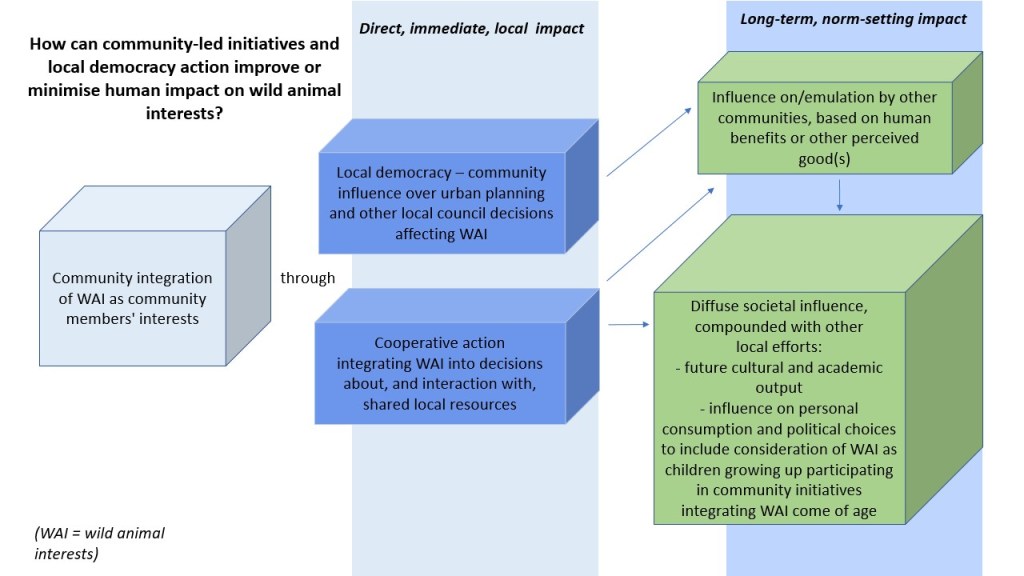


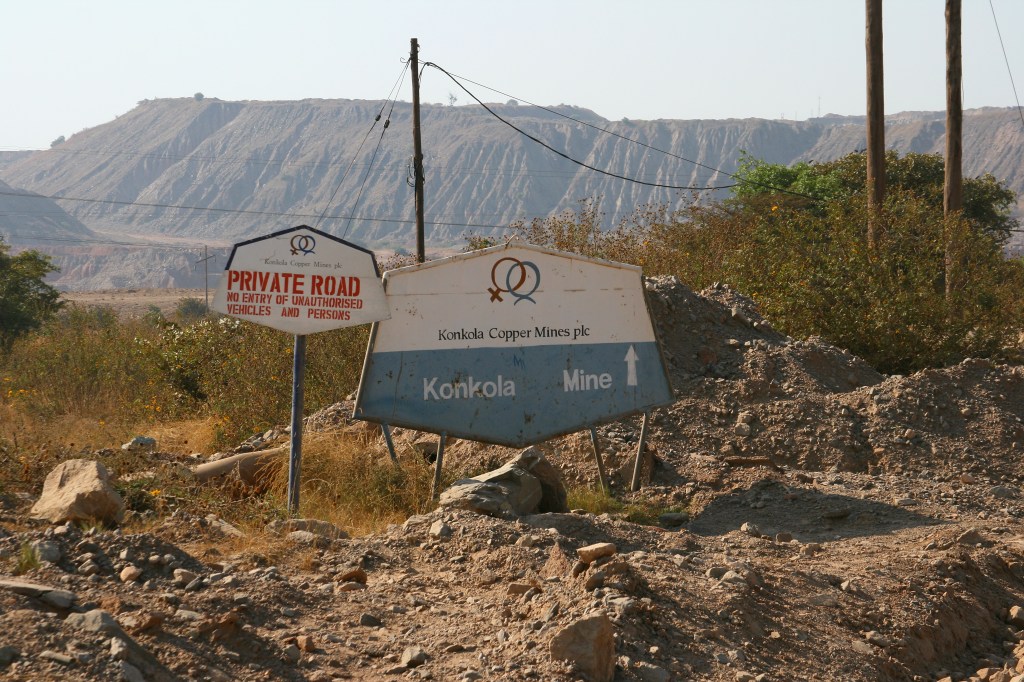



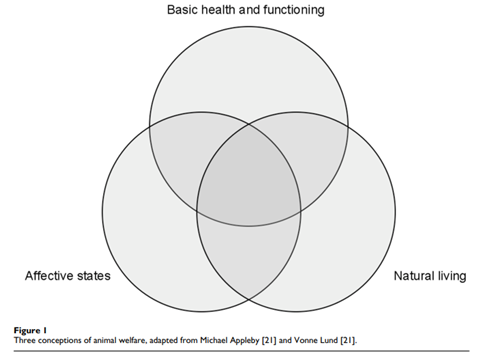

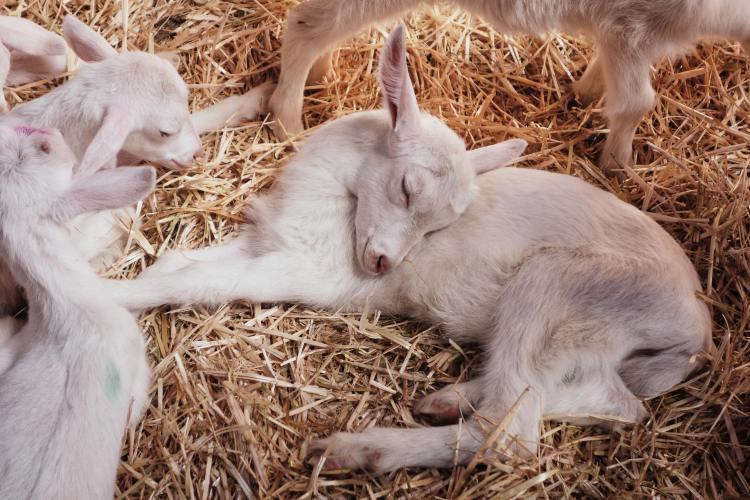
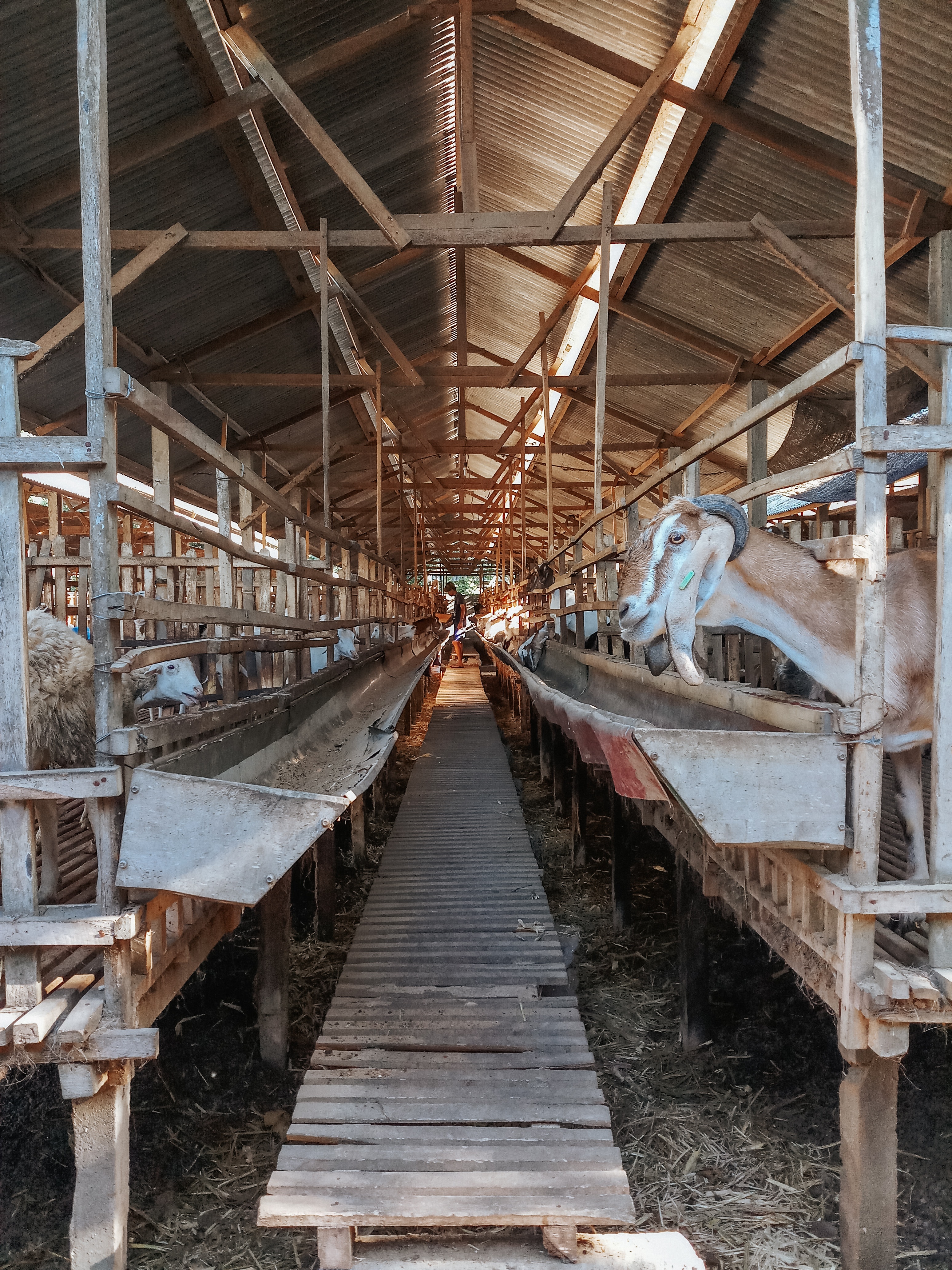






 The Sound And The Theory